
Updates
2025-2026 Faculty Tenure Promotions
Faculty who were promoted to tenured status between July 1, 2025 and June 30, 2026.
MIT Sloan School of Management
Ali Aouad, Operations Management
- Education: PhD, Operations Research, MIT, 2017
- Joined MIT faculty: 2024
- Field of study: An operations management scholar whose research advances dynamic matching, customer preference modeling, assortment optimization, and data-driven social impact applications. He developed seminal methods for matching supply and demand under uncertainty, earning major grants, nearly 1,200 citations, the 2025 Production and Operations Management Society (POMS) Applied Research Challenge, and multiple Institute for Operations Research and the Management Sciences (INFORMS) awards and service honors.
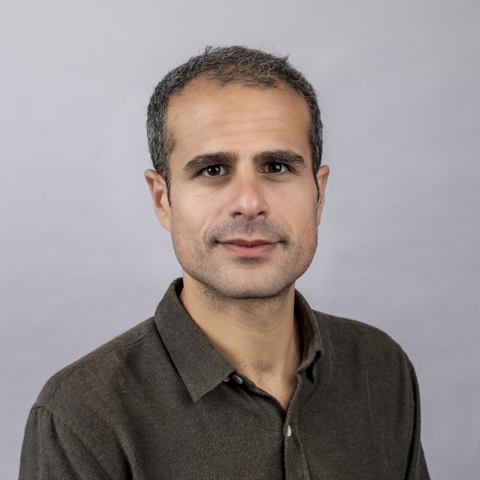
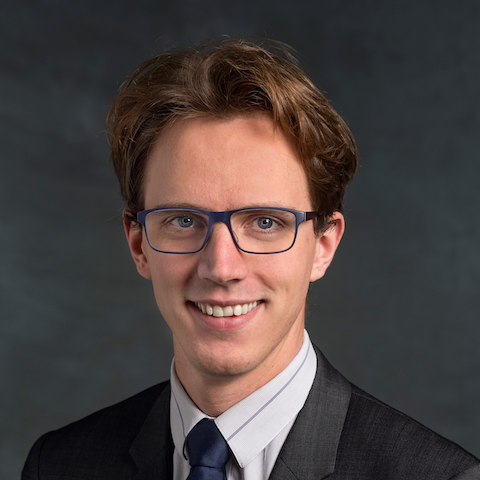
Alexandre Jacquillat, Operations Research and Statistics
- Education: PhD, Engineering Systems, MIT, 2015
- Joined MIT faculty: 2019
- Field of study: An operations research and analytics scholar whose research advances large-scale optimization and data-driven decision-making, with applications in transportation, urban mobility, sustainable supply chains, and logistics for social good. His scalable algorithms deliver operational and environmental impact, earning major grants, approximately 2,200 citations, and multiple best-paper awards. Alexandre received several awards including the MIT Jamieson Prize for Excellence in Teaching and the INFORMS Donald P. Gaver, Jr. Early Career Award for Excellence in Operations Research.
School of Architecture + Planning (SA+P)
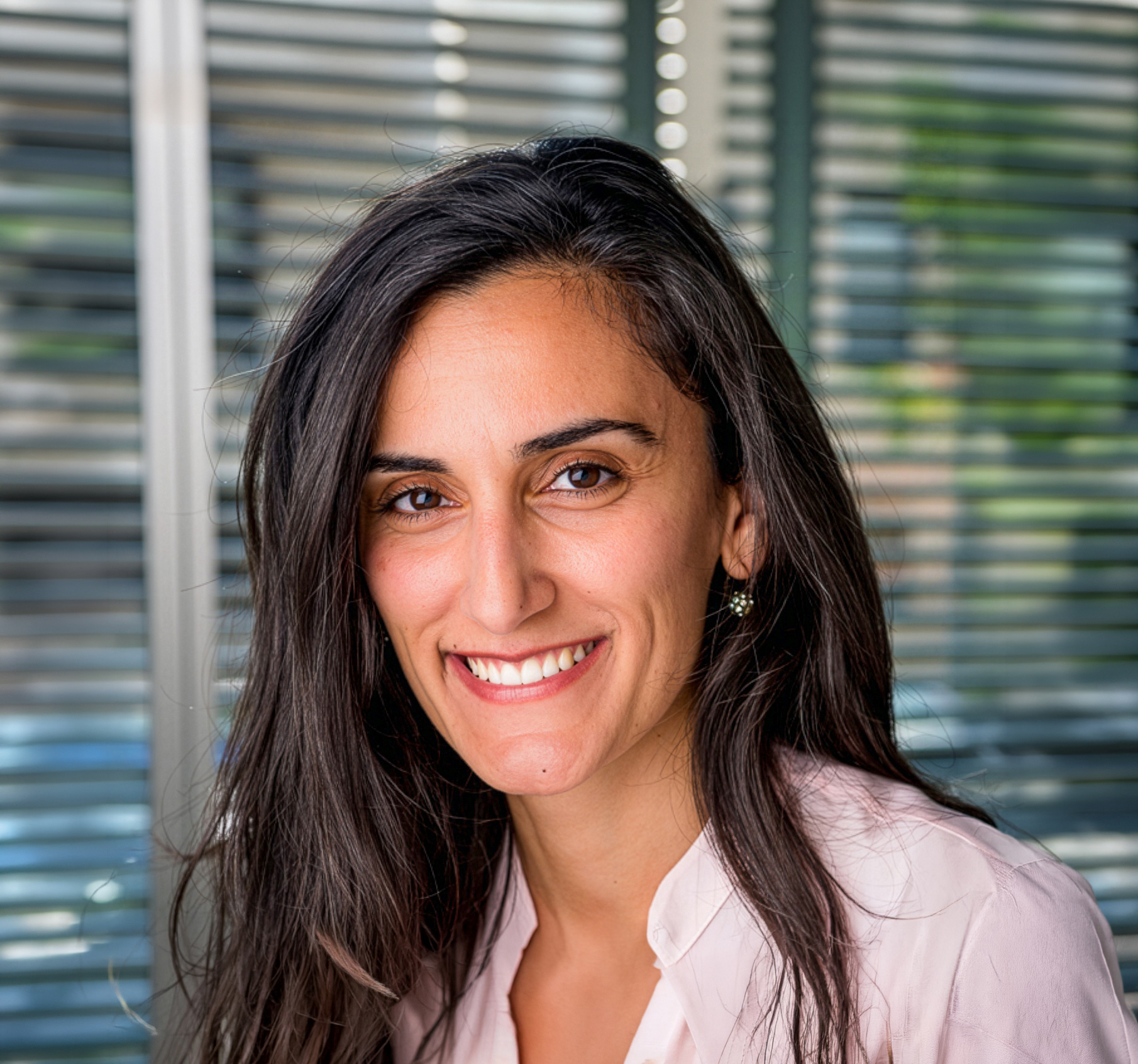
Canan Dağdeviren, Media Arts and Sciences
- Education: PhD, Materials Science and Engineering, University of Illinois Urbana-Champaign, 2014
- Joined MIT faculty: 2017
- Field of study: Develops conformable materials and biomedical devices that decode the body’s physical signals to improve human health. Her work spans wearable and implantable technologies for earlier disease detection, neuromodulation, and women’s health, combining materials science, engineering, and medicine.
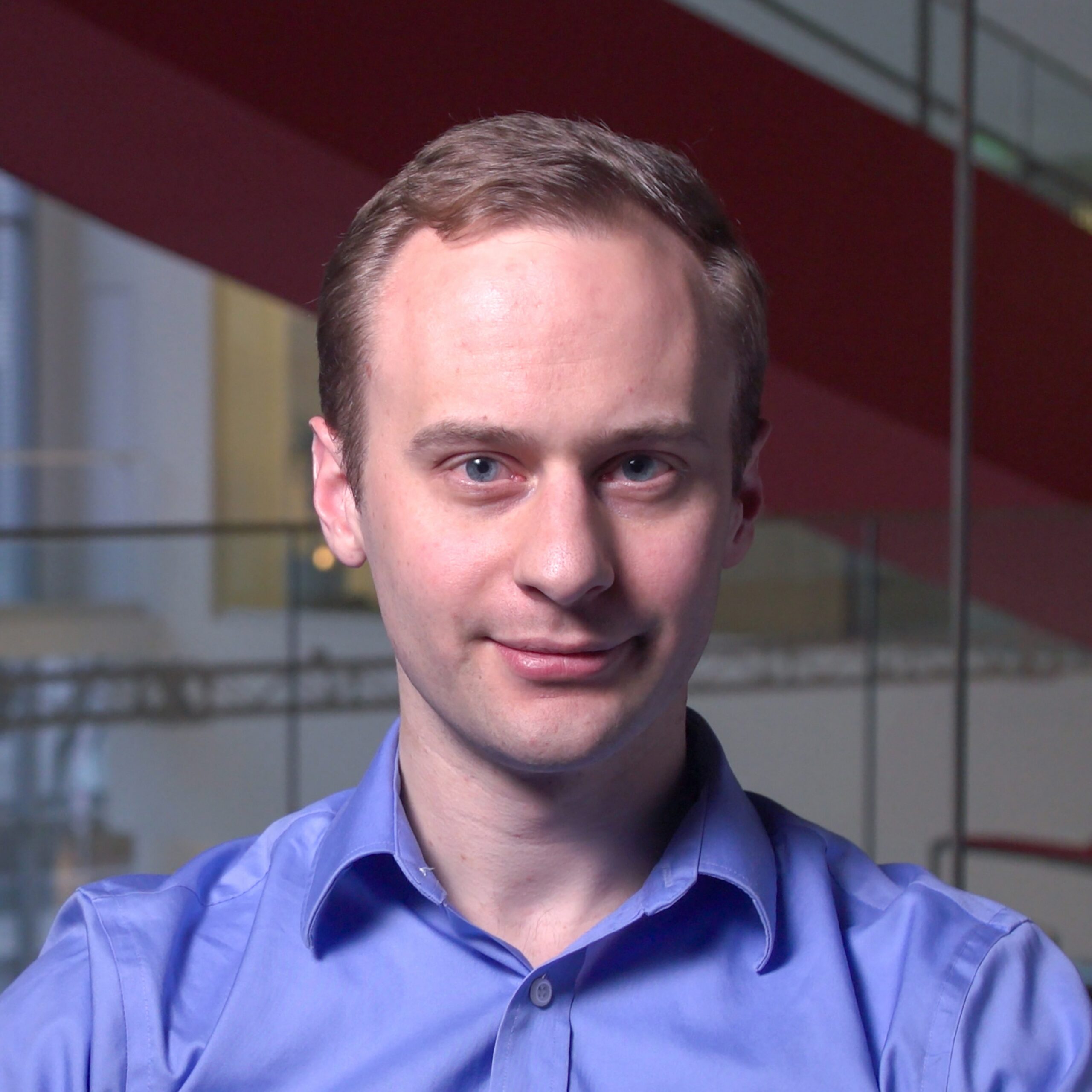
Kevin Esvelt, Media Arts and Sciences
- Education: PhD, Biochemistry, Harvard University, 2010
- Joined MIT faculty: 2016
- Field of study: Studies how evolution can be understood and responsibly guided to address ecological and resilience challenges. His research spans gene editing, ecosystem engineering, security, and governance with an emphasis on transparency, community engagement, and the societal implications of emerging technologies.
Jason Jackson, Urban Studies and Planning
- Education: PhD, Political Economy, MIT, 2013
- Joined MIT faculty: 2017
- Field of study: Studies political economy, examining how states, markets, and economic ideas shape institutions under modern capitalism. His research focuses on economic nationalism, industrial development, digital platform economies, and urban mobility across Africa, Asia, and the Americas.
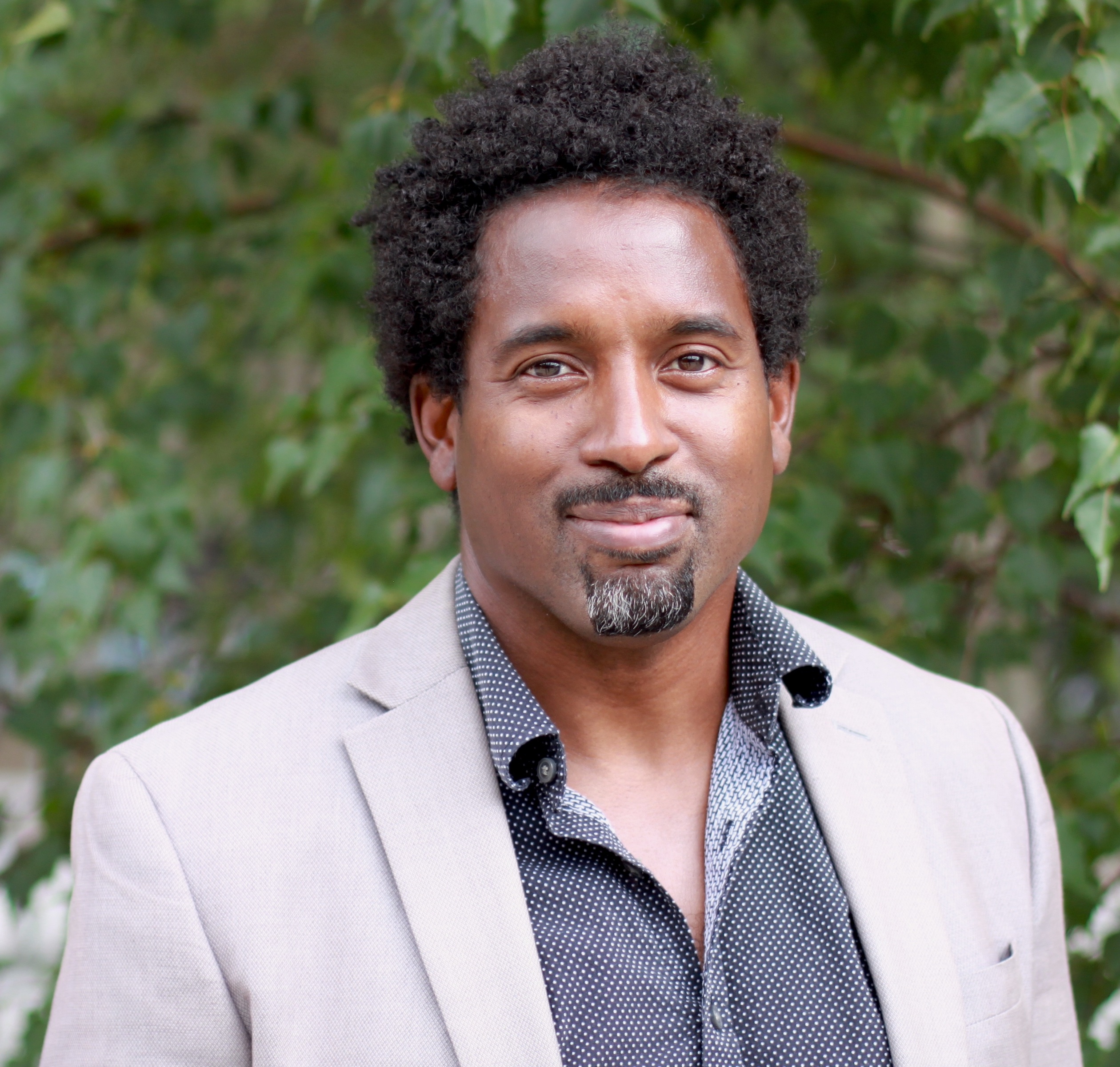
Nida Sinnokrot, Architecture
- Education: MFA, Film and Video, Bard College, 2000
- Joined MIT faculty: 2018
- Field of study: Creates interdisciplinary artistic work that examines how systems of power shape narratives, space, and lived experience. Working across film, sculpture, installation, photography, and agriculture, he investigates political, social, and environmental questions through material and conceptual experimentation.
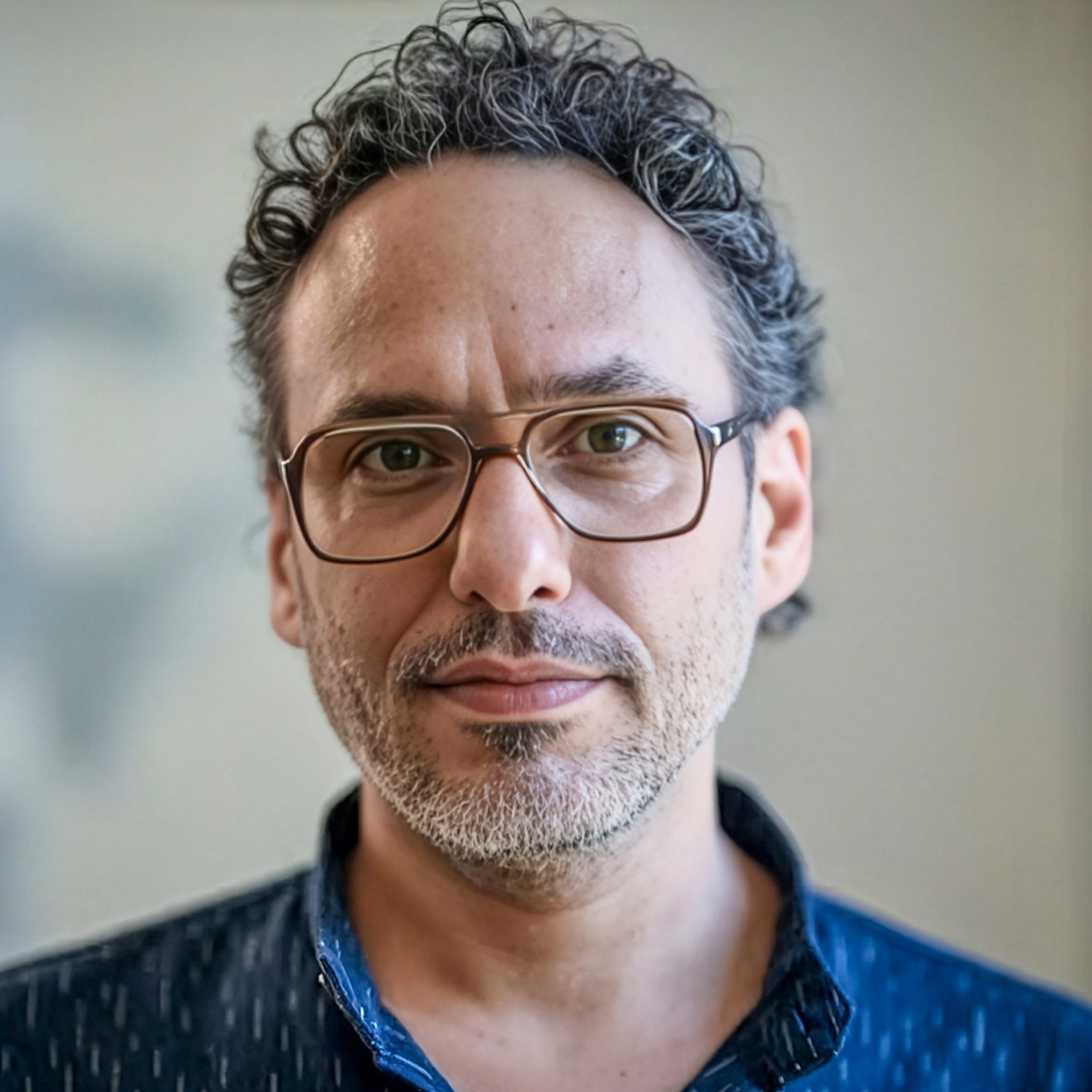
Danielle Wood, Media Arts and Sciences; Aeronautics and Astronautics
- Education: PhD, Engineering Systems, MIT, 2012
- Joined MIT faculty: 2018
- Field of study: Examines how space technology can advance sustainable development and social equity. Her research applies satellite data and systems thinking to challenges including environmental management, disaster response, and economic development, particularly in underserved communities around the world.
School of Engineering (SoE)
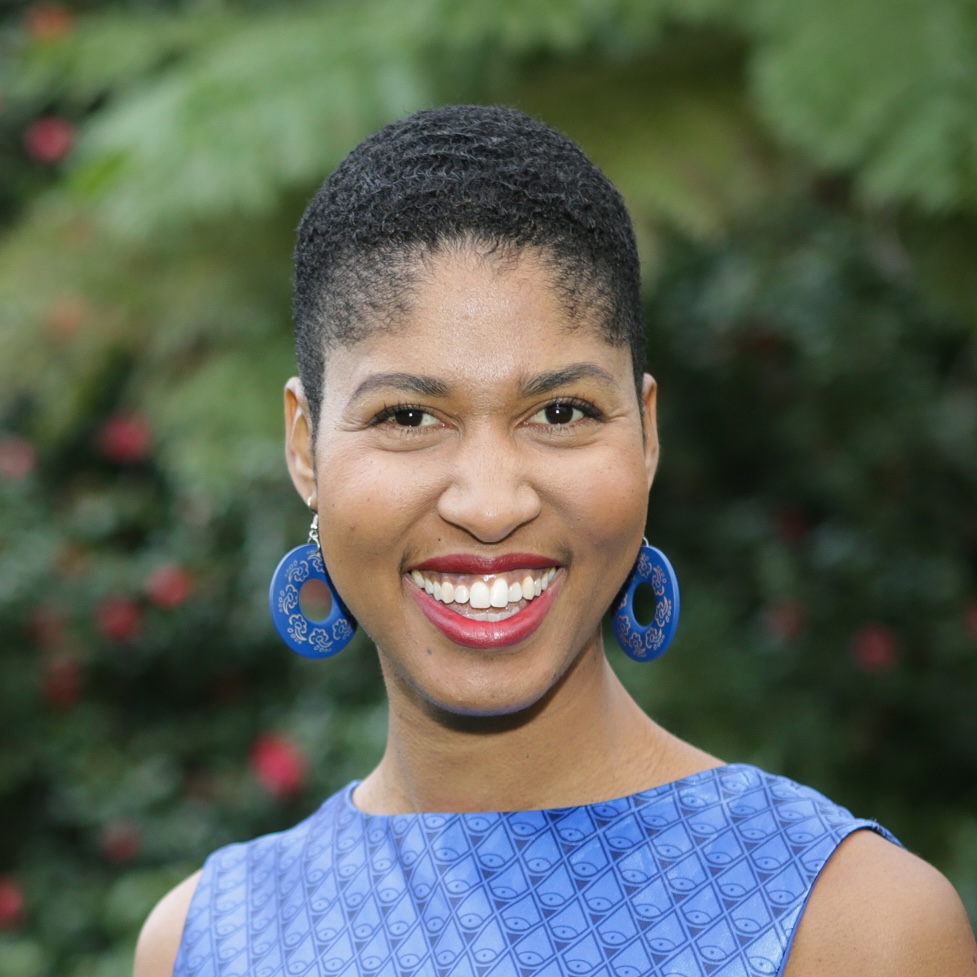
Zachary Cordero, Aeronautics and Astronautics
- Education: PhD, Materials Science and Engineering, MIT, 2015
- Joined MIT faculty: 2020
- Field of study: Research seeks to enable frontier aviation and space platforms through advanced materials, manufacturing, and structures, with a particular focus on high-temperature systems.
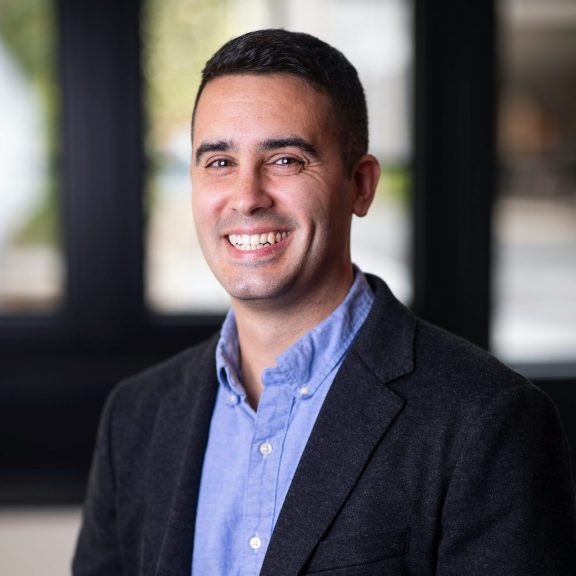
Sili Deng, Mechanical Engineering
- Education: PhD, Mechanical and Aerospace Engineering, Princeton University, 2016
- Joined MIT faculty: 2019
- Field of study: Research group develops scientific machine learning and experimental approaches to understand, predict, and engineer chemically reacting systems for sustainable energy, advanced materials manufacturing, and climate-resilient technologies.
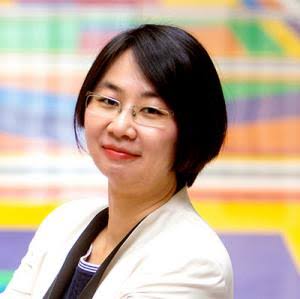
David L. Des Marais, Civil and Environmental Engineering
- Education: PhD, Biology, Duke University, 2008
- Joined MIT faculty: 2017
- Field of study: Leads the Des Marais Lab, whose primary focus of research is to understand the mechanisms of plant-environment interaction, using tools from molecular, quantitative, and population genetics to identify the physiological basis of plant response to environmental cues.
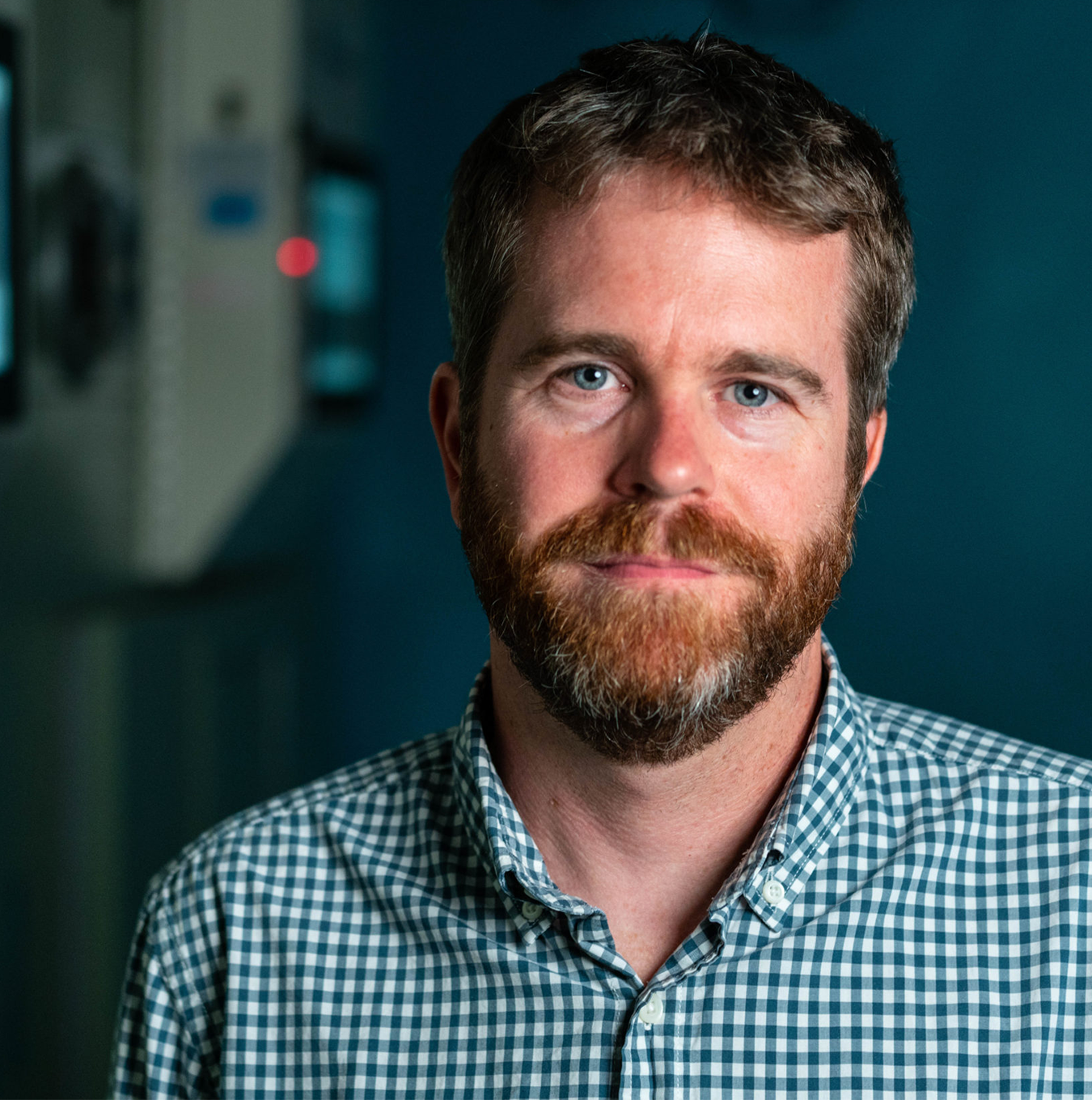
Carmen Guerra-Garcia, Aeronautics and Astronautics
- Education: PhD, Aeronautics and Astronautics, MIT, 2014
- Joined MIT faculty: 2018
- Field of study: Work lies at the intersection of aerospace engineering, low-temperature plasma technologies, and gas discharge physics. It addresses two aviation challenges — reducing emissions, and ensuring safety of next-generation aircraft — through three interconnected thrusts: advancing the fundamental science of electrical discharges in flowing gases and nonuniform media, applying that science to plasma-assisted combustion and chemical conversion, and developing physics-based approaches to lightning protection.
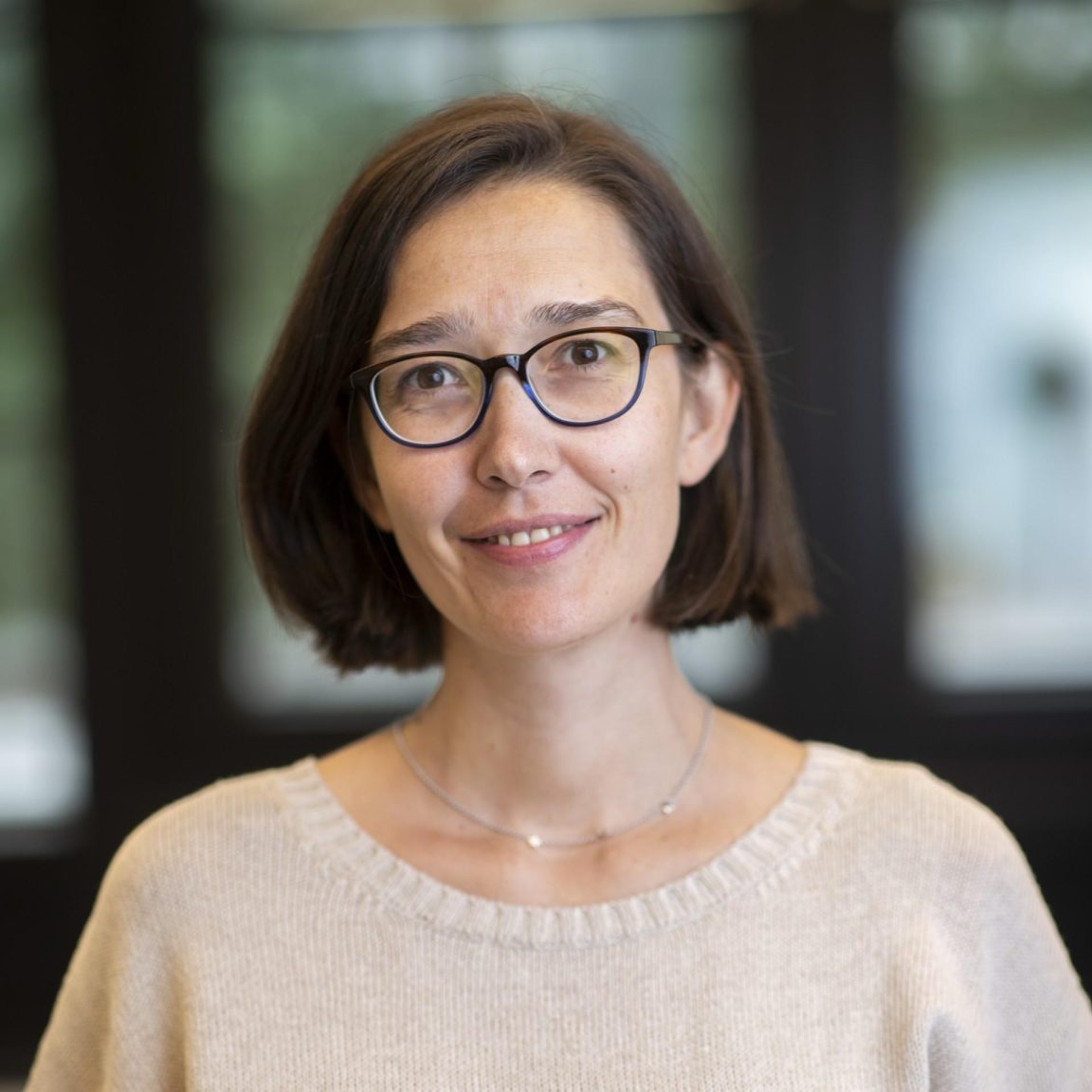
Tami Lieberman, Civil and Environmental Engineering; Institute for Medical Engineering and Science
- Education: PhD, Systems Biology, Harvard University, 2014
- Joined MIT faculty: 2018
- Field of study: Leads the Lieberman Lab, which seeks to understand how ecology and evolution shape the personalized communities of the human microbiome, and the role of this personalization on human health.
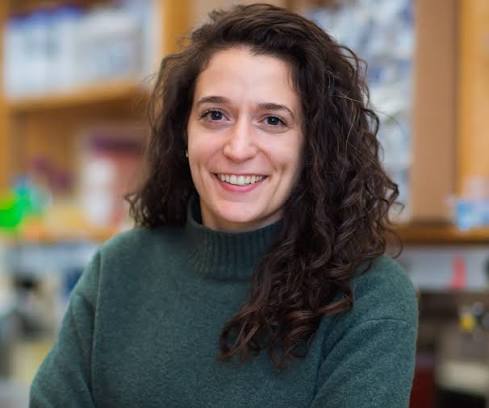
Wim van Rees, Mechanical Engineering
- Education: PhD, Computational Science, Swiss Federal Institute of Technology Zurich (ETH Zurich), 2014
- Joined MIT faculty: 2017
- Field of study: Research advances high-order, high-fidelity numerical methods for efficiently simulating interactions between fluid flows and moving or deforming bodies, with methodologies spanning applications from wake vortex dynamics to bio-inspired propulsion and elastic structures.
SoE & Schwarzman College of Computing
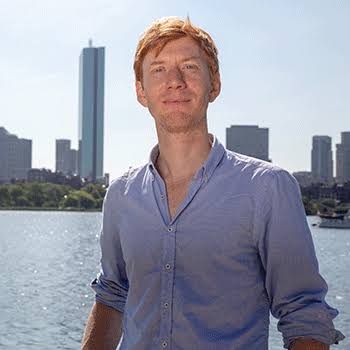
Jacob Andreas, Electrical Engineering and Computer Science
- Education: PhD, Natural Language Processing, University of California, Berkeley, 2018
- Joined MIT faculty: 2019
- Field of study: Research is in natural language processing, and more broadly in AI. He aims to understand the computational foundations of language learning, and to build intelligent systems that can learn from human guidance.
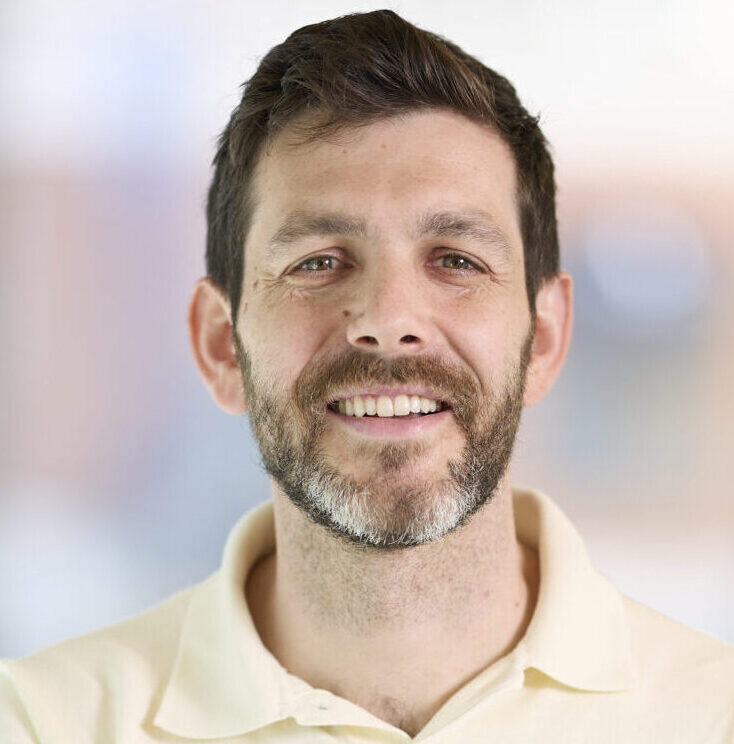
Christina Delimitrou, Electrical Engineering and Computer Science
- Education: PhD, Electrical Engineering, Stanford University, 2015
- Joined MIT faculty: 2022
- Field of study: Research sits at the intersection of computer architecture and computer systems; specifically, she is one of the first systems researchers to apply machine learning techniques to design and management problems in the cloud.
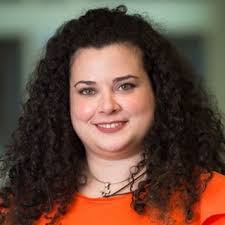
Laura Lewis, Electrical Engineering and Computer Science; Institute for Medical Engineering and Science
- Education: PhD, Neuroscience, MIT, 2014
- Joined MIT faculty: 2023
- Field of study: Research aims to develop methods to analyze and interpret multi-modal neuroimaging data in order to enable measurement of previously undetectable aspects of brain function. She has a particular interest in fast fMRI, EEG, and PET, and is applying those methods to study sleep.
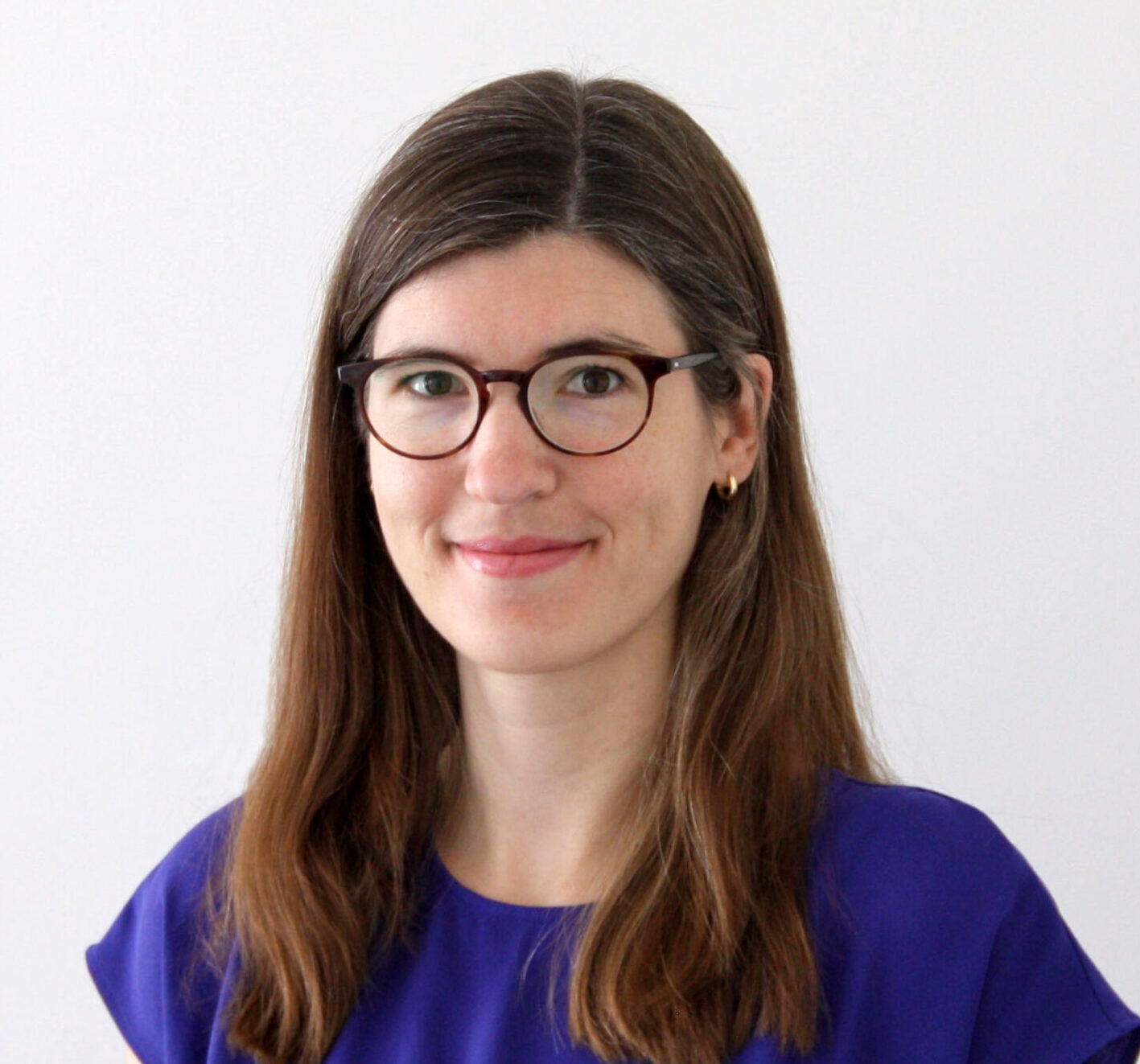
Kevin O’Brien, Electrical Engineering and Computer Science
- Education: PhD, Physics, University of California, Berkeley, 2016
- Joined MIT faculty: 2018
- Field of study: Leads the Quantum Coherent Electronics Group. His research efforts focus on developing tools, techniques, and devices to enhance the measurement of quantum systems, most notably superconducting quantum computers.
School of Humanities, Arts, and Social Sciences (SHASS)
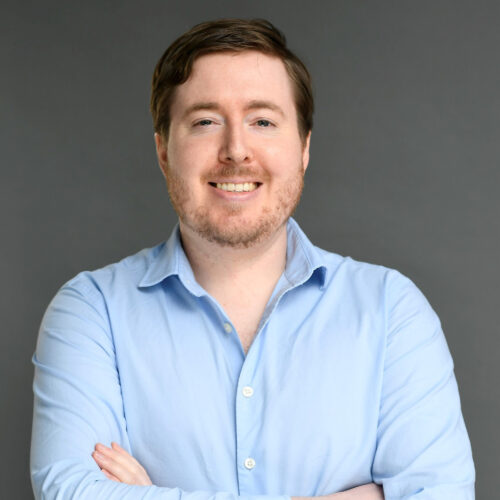
Volha Charnysh, Political Science
- Education: PhD, Government, Harvard University, 2017
- Joined MIT faculty: 2018
- Field of study: Studies the effects of violence and the role of identity in state-building and economic development. Her first book, “Uprooted: How post-WWII Population Transfers Remade Europe” (Cambridge University Press, 2024), focuses on the enduring consequences of mass displacement and resulting cultural heterogeneity. Her work has appeared in the American Political Science Review, British Journal of Political Science, Comparative Political Studies, The Journal of Politics, and other peer-reviewed journals.
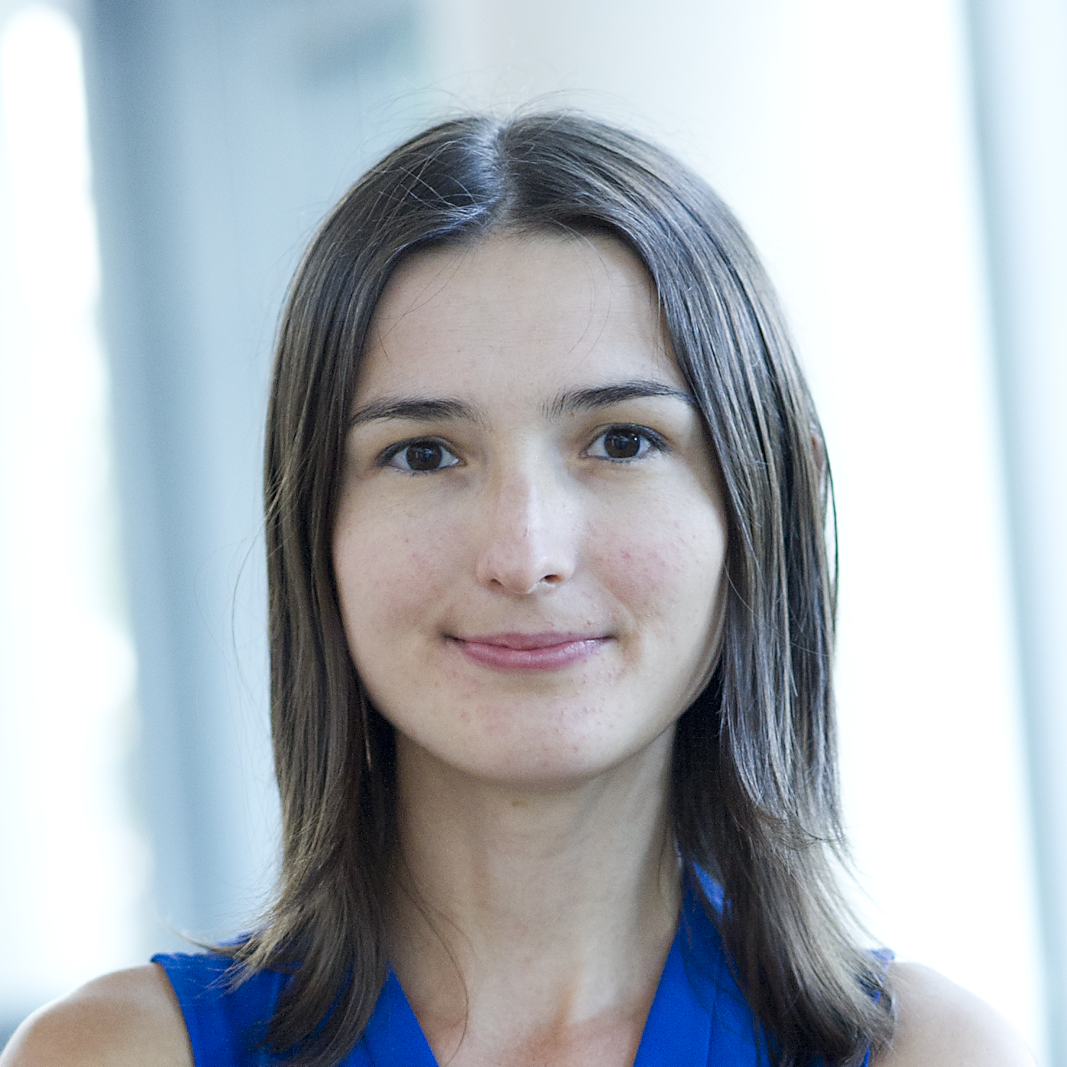
Tobias Salz, Economics
- Education: PhD, Economics, New York University, 2016
- Joined MIT faculty: 2019
- Field of study: Works in the field of industrial organization and studies how digital platforms and other intermediaries shape competition and market outcomes. The applications of his research span digital markets, transportation, and artificial intelligence, and often combine economic theory with novel data and field experiments. His recent work examines market power in web search, personalized platform pricing, and how human experts and AI can work together in medical diagnosis. Salz is a faculty research fellow at the National Bureau of Economic Research (NEBR) and was named a Sloan Research Fellow in 2022.
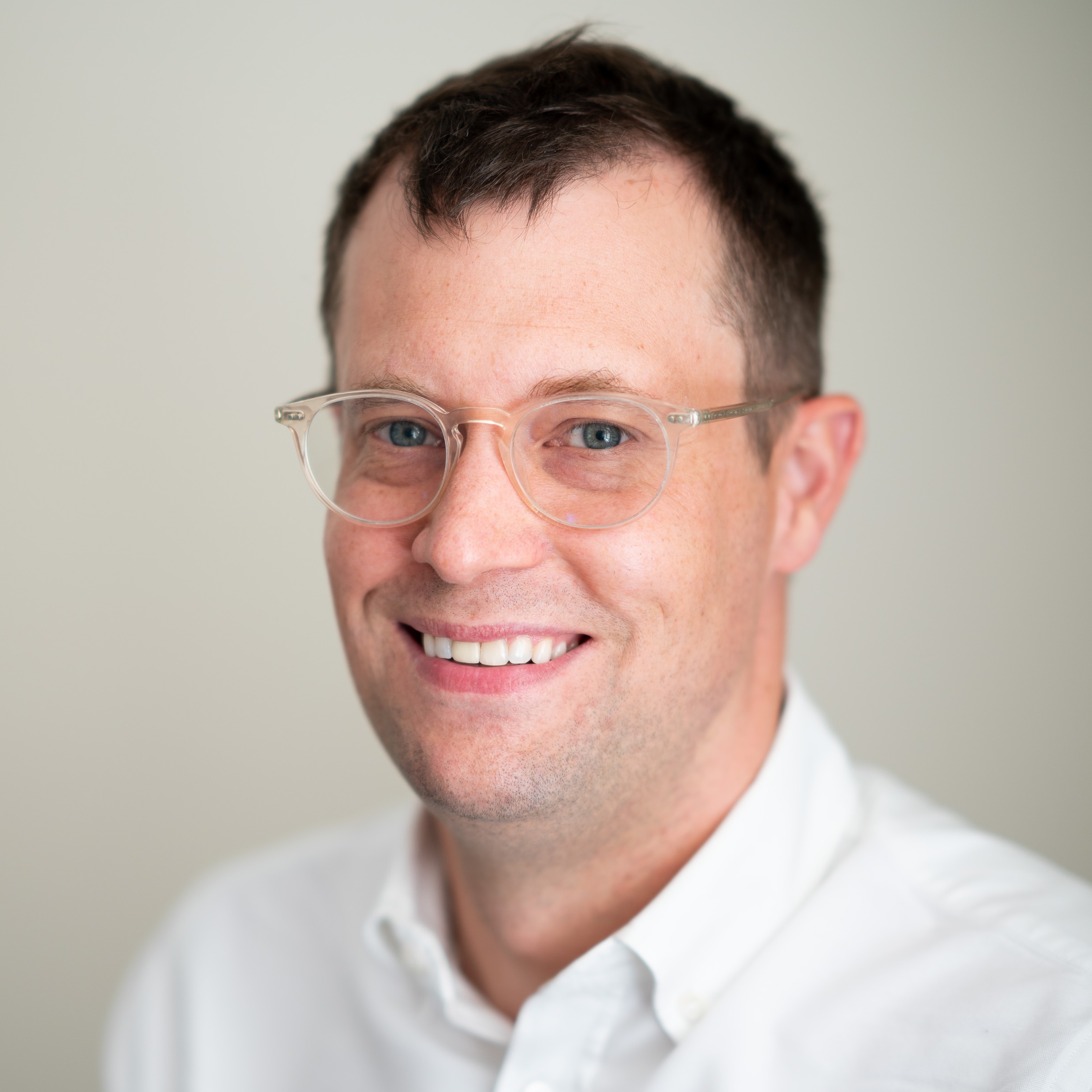
Christian Wolf, Economics
- Education: PhD, Economics, Princeton University, 2020
- Joined MIT faculty: 2021
- Field of study: Research is primarily concerned with the question of how monetary and fiscal policy can be used to stabilize the economy. A key aim of his work is to learn as much as possible about such stabilization policy directly from micro- and macroeconomic data rather than through reliance on structural models. Wolf is an affiliate at the National Bureau of Economic Research (NBER).
School of Science (SoS)
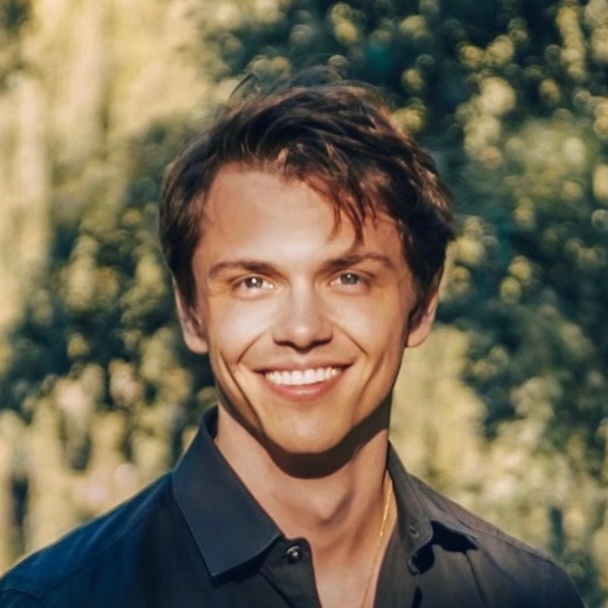
Long Ju, Physics
- Education: PhD, Physics, University of California, Berkeley, 2015
- Joined MIT faculty: 2019
- Field of study: His research focuses on emergent quantum phenomena and light–matter interactions in novel quantum materials, particularly atomically thin materials and van der Waals hetero-structures. His lab engineers novel device structures and applies advanced electrical and optical techniques to probe electronic and optical properties with various experimental controlling knobs. The lab has discovered exotic and unprecedented phenomena, including fractional electric charge and magnetic superconductivity, in simple graphite materials.
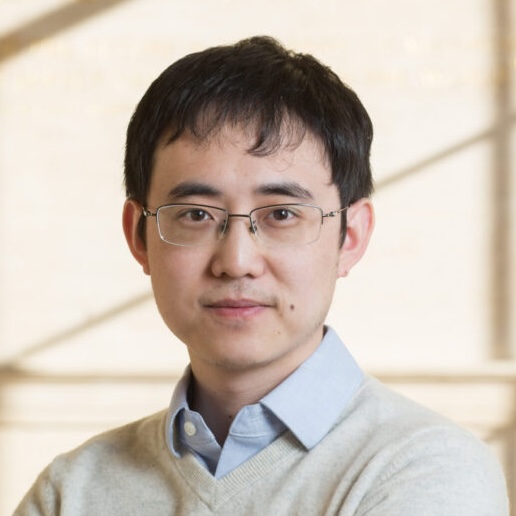
Rebecca Lamason, Biology
- Education: PhD, Immunology, The Johns Hopkins University School of Medicine, 2011
- Joined MIT faculty: 2017
- Field of study: Investigates how intracellular bacterial pathogens hijack host cell biology to spread infection, using tickborne Rickettsia parkeri and foodborne Listeria monocytogenes as parallel systems to reveal how distinct bacteria evolve different molecular solutions to the same challenge. Her goal is to build a fundamental understanding of the diverse mechanisms of pathogenesis and, in doing so, reveal novel aspects of human cell biology.
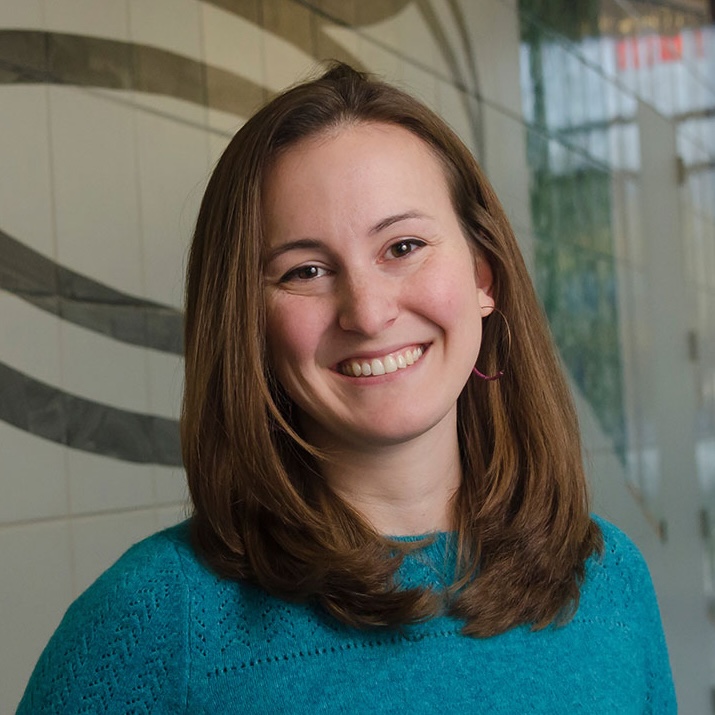
Kiyo Masui, Physics
- Education: PhD, Physics, University of Toronto, 2013
- Joined MIT faculty: 2018
- Field of study: Works with wide-field, radio-wavelength sky surveys to establish new ways to observe the Universe. These include developing the technique of hydrogen intensity mapping for rapidly surveying large volumes of space, and exploiting the phenomena of fast radio bursts (FRBs) as probes of the Universe’s contents.
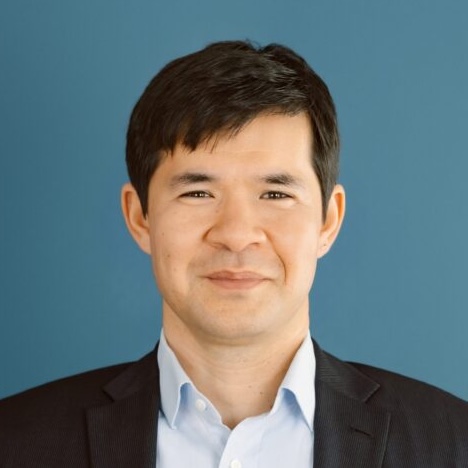
Matěj Peč, Earth, Atmospheric and Planetary Sciences
- Education: PhD, Rock Mechanics, Universität Basel, 2012
- Joined MIT faculty: 2017
- Field of study: Explores the fundamental forces driving plate tectonics, including the transition from brittle failure to ductile flow with increasing depth and melting in Earth’s mantle and lower crust. He performs high-pressure, high-temperature laboratory experiments and compares the results to natural observations and theoretical models to understand the mechanisms that shape Earth’s rocky shell and how that shell can be used for societal benefit, from carbon storage to geothermal energy.
The newsletter will feature faculty who received other promotions from July 1, 2025 through June 30, 2026 in a future issue.